Senior Fall Prevention: 12 Essential Tips to Help Older Adults Stay Safe at Home
Falls are one of the leading causes of injury among older adults, yet many falls can be prevented with the right precautions. According to the Centers for Disease Control and Prevention (CDC), millions of adults aged 65 and older experience a fall each year, often leading to fractures, hospitalizations, reduced mobility, and a loss of independence.
The good news is that proactive planning, home safety improvements, and the right caregiving support can significantly reduce the risk of falls.
At A Caring Heart Nursing Services, we are committed to helping Massachusetts seniors age safely and confidently at home. Whether through Home Care, Adult Foster Care (AFC), or Group Adult Foster Care (GAFC), our goal is to help older adults maintain their independence while reducing preventable health risks.
In this guide, we’ll share 12 practical fall prevention tips every senior and family caregiver should know.
Why Fall Prevention Matters
A fall is more than just a temporary accident. For many older adults, a serious fall can lead to:
- Broken hips or fractures
- Head injuries
- Reduced mobility
- Fear of falling again
- Loss of independence
- Increased need for long-term care
Preventing falls helps seniors remain active, confident, and safely living at home.
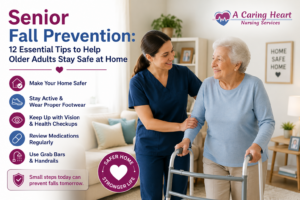
1. Remove Tripping Hazards
Many falls happen because of common household hazards.
Take a walk through the home and remove:
- Loose rugs
- Electrical cords across walkways
- Clutter on the floor
- Small furniture blocking pathways
- Uneven flooring
Keeping walkways clear is one of the simplest ways to improve home safety.
2. Improve Lighting Throughout the Home
Poor lighting makes it difficult to see obstacles.
Improve visibility by:
- Installing brighter LED bulbs
- Adding nightlights in bedrooms, bathrooms, and hallways
- Using motion-sensor lighting
- Keeping flashlights nearby during power outages
Well-lit homes help seniors move around with greater confidence.
3. Install Grab Bars and Handrails
Bathrooms are one of the highest-risk areas for falls.
Consider installing:
- Grab bars near toilets
- Grab bars inside showers
- Secure handrails on both sides of staircases
- Non-slip handrails at entrances
These simple additions provide extra stability where it’s needed most.
4. Wear Proper Footwear
Loose slippers, high heels, or worn-out shoes increase fall risk.
Choose footwear that:
- Has non-slip soles
- Fits properly
- Provides ankle support
- Has low heels
- Is worn indoors as well as outdoors
Avoid walking barefoot or in socks on smooth flooring.
5. Stay Physically Active
Regular exercise improves:
- Balance
- Strength
- Flexibility
- Coordination
Activities such as walking, Tai Chi, chair exercises, and light strength training help reduce the likelihood of falls.
Always consult a healthcare provider before beginning a new exercise routine.
6. Schedule Regular Vision and Hearing Exams
Changes in vision or hearing can affect balance and awareness of surroundings.
Annual eye exams can identify:
- Cataracts
- Glaucoma
- Prescription changes
Similarly, hearing evaluations can help detect issues that may contribute to balance problems.
7. Review Medications with Your Healthcare Provider
Some medications—or combinations of medications—may cause:
- Dizziness
- Drowsiness
- Low blood pressure
- Balance problems
Ask your physician or pharmacist to review all prescription and over-the-counter medications regularly.
8. Keep Frequently Used Items Within Easy Reach
Stretching, climbing, or using unstable stools can increase the risk of falls.
Organize the home so commonly used items are stored:
- At waist height
- In easily accessible cabinets
- Without requiring ladders or step stools
Simple adjustments can make daily activities much safer.
9. Maintain a Healthy Diet and Stay Hydrated
Good nutrition supports:
- Strong bones
- Healthy muscles
- Better balance
Older adults should consume adequate calcium, vitamin D, protein, and fluids to help maintain strength and reduce dizziness caused by dehydration.
10. Use Mobility Aids When Needed
Canes and walkers aren’t a sign of losing independence—they’re tools that help seniors stay independent safely.
If recommended by a healthcare provider, use mobility aids consistently and ensure they are properly adjusted.
11. Consider Professional Home Care Support
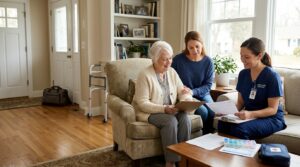
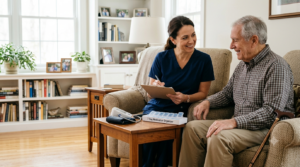
As everyday tasks become more challenging, professional assistance can reduce fall risks while allowing seniors to remain at home.
Our Home Care Services provide support with:
- Personal care
- Bathing and dressing
- Meal preparation
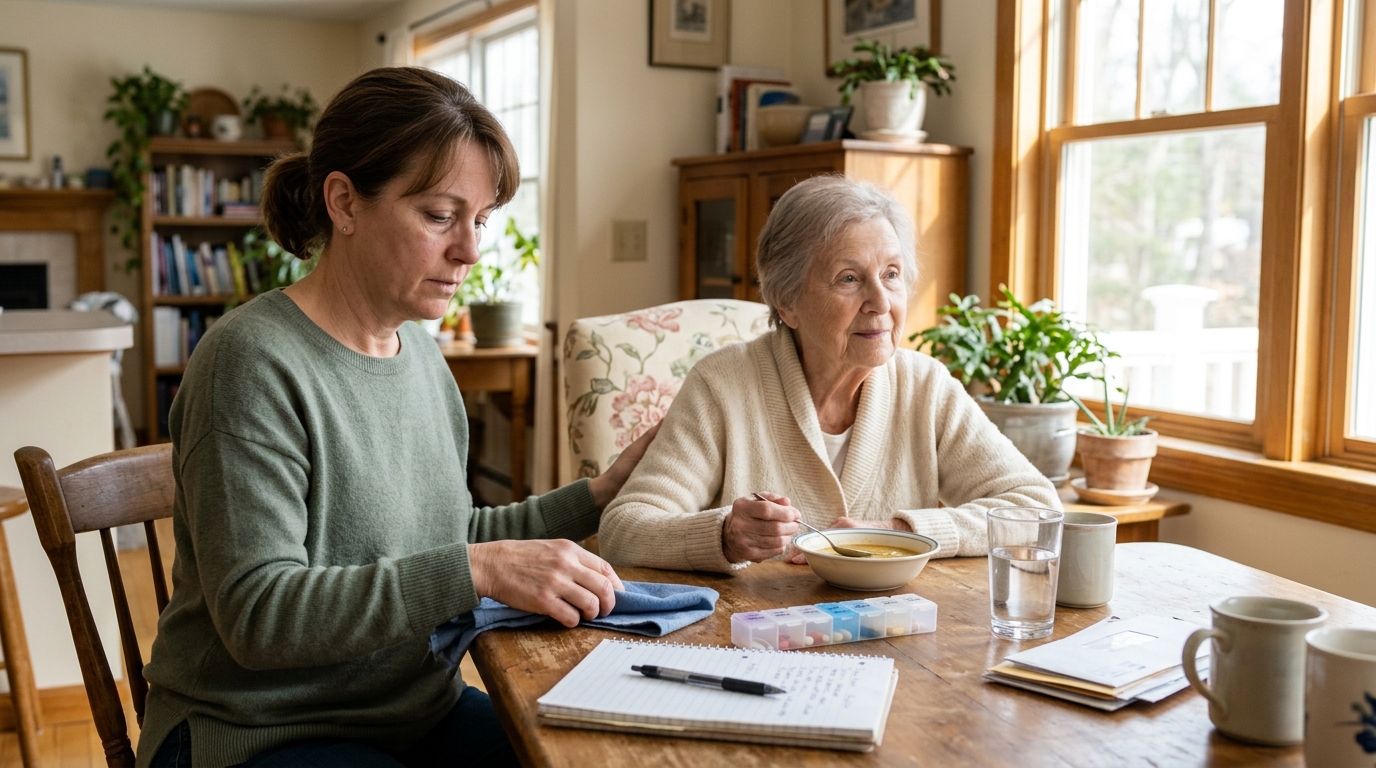
- Medication reminders
- Light housekeeping
- Mobility assistance
- Companionship
By helping with daily activities, caregivers can identify potential hazards before they lead to falls.
Learn more about our Home Care Services:
https://achnursingservices.com/home-care/
12. Explore Adult Foster Care and Group Adult Foster Care
Some seniors require daily hands-on assistance but still wish to remain in a familiar environment.
The Adult Foster Care (AFC) program allows eligible MassHealth members to receive care from a qualified family member or friend who lives with them. Caregivers may receive tax-free compensation while helping reduce fall risks through daily supervision and personal care assistance.
Learn more about our Adult Foster Care Program:
https://achnursingservices.com/adult-foster-care/
For individuals living in approved assisted living residences, Group Adult Foster Care (GAFC) provides personal care services, nursing oversight, and support that help promote safety and independence.
Learn more about our Group Adult Foster Care Program:
https://achnursingservices.com/group-adult-foster-care/
Warning Signs That a Senior May Be at Increased Risk of Falling
Family members should watch for signs such as:
- Holding onto furniture while walking
- Difficulty standing from a chair
- Frequent stumbling
- Fear of walking alone
- Unexplained bruises
- Changes in balance
- Slower walking speed
- Missed medications
- Vision problems
Recognizing these warning signs early allows families to take preventive action before a fall occurs.
How Family Caregivers Can Help Prevent Falls
Family caregivers play a vital role in keeping loved ones safe.
You can help by:
- Performing regular home safety checks
- Encouraging daily movement and exercise
- Attending medical appointments
- Monitoring medication side effects
- Assisting with bathing and mobility
- Keeping emergency contact information readily available
Even small changes can significantly reduce the likelihood of a serious fall.
How A Caring Heart Nursing Services Helps Seniors Stay Safe
At A Caring Heart Nursing Services, we understand that every senior’s needs are unique.
Our compassionate team works closely with families throughout Massachusetts to develop personalized care plans that promote safety, independence, and dignity. Whether your loved one needs occasional assistance at home, qualifies for Adult Foster Care, or would benefit from Group Adult Foster Care services, we are here to help every step of the way.
Our mission is simple: helping older adults age safely in the comfort of home while giving families peace of mind.
Final Thoughts
Falls are not an inevitable part of aging. With the right precautions, a safe home environment, and access to quality caregiving support, many falls can be prevented.
By removing hazards, staying active, reviewing medications, and seeking professional assistance when needed, seniors can continue living confidently and independently.
If you or a loved one could benefit from Home Care, Adult Foster Care, or Group Adult Foster Care services in Massachusetts, A Caring Heart Nursing Services is here to help you explore your options and create a safer path toward aging in place.